Sidemount, CCR and Technical Diving From Beginner to Instructor.

09712604946 gotechdive@gmail.com
Follow Us
Image Alt

SDI Solo Diver

SDI Solo Diver

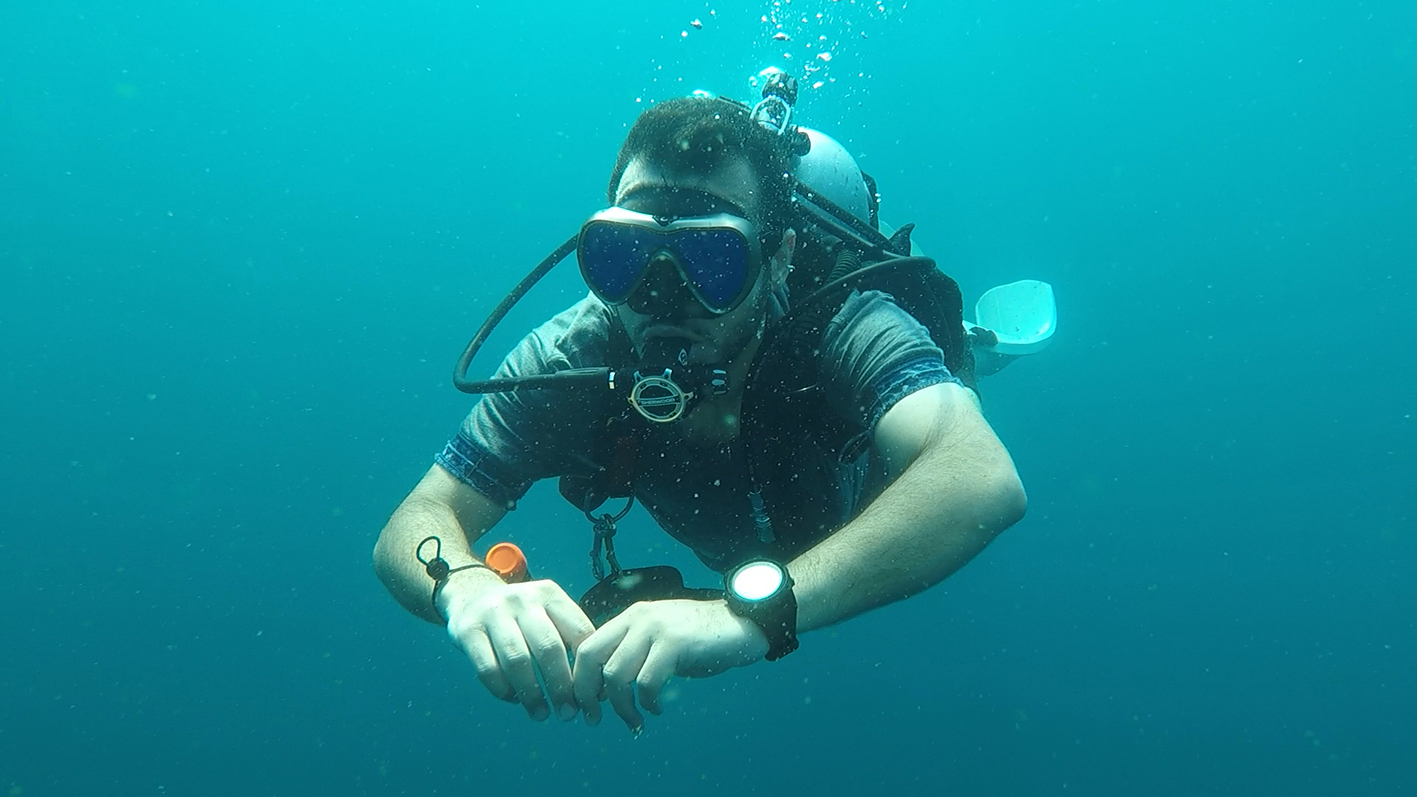
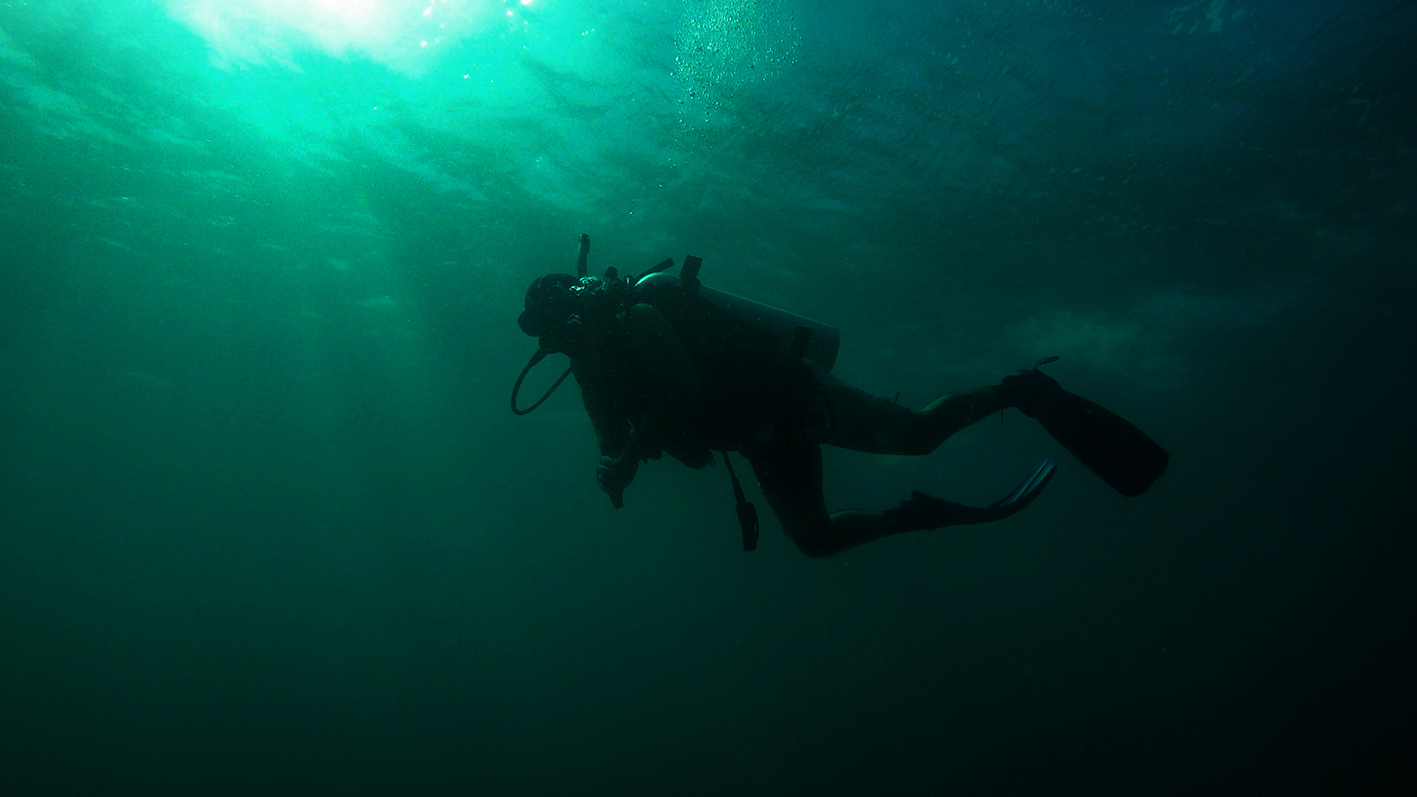
At one point or another, many divers have found themselves alone during a dive, whether it was intentional or not. SDI’s Solo Diving is the practice of self reliant scuba diving without a “dive buddy.”Solo diving, once considered technical diving and discouraged by most certification agencies, is now seen by many experienced divers and some certification agencies as an acceptable practice for those divers suitably trained and experienced. Rather than relying on the traditional buddy diving safety system, solo divers should be skilled in self-sufficiency and willing to take responsibility for their own safety while diving. Being one of SDI’s most popular courses, the Solo Diver course stresses proper dive planning, personal limitations, and accident prevention, as well as the benefits, hazards, and proper procedures for diving solo. You will also learn the additional equipment that is required for solo diving including its proper usage and assembly. This is the perfect course for underwater photography and underwater video divers as well as those diving with their children or buddies that may not be very experienced in scuba diving.


What you can expect to learn

Why solo dive?

History of buddy diving

Pros and cons of buddy diving and solo diving

Legal liability assumed by buddy diving

How to use the SDI Solo Diving waiver and release

Who must solo dive?

The solo diving mentality

When not to solo dive

Equipment for solo diving

Planning and conducting a solo dive

Navigation

Management of solo diving emergencies

Review the SDI Solo Diver Liability Release and Express Assumption of Risk Agreement Form


Some of the required skills you will have to demonstrate:

200 metres/600 feet surface swim in full scuba equipment

Demonstrate adequate pre-dive planning

Plan dive limits based on personal air consumption rate

Plan exact dive

Properly execute the planned dive within all predetermined limits

Equipment configuration appropriate for solo diving

Proper descent/ascent rates

Proper safety stop procedures

Monitoring of decompression status equipment; tables, computers, equipment, etc.

Navigation skills – demonstrate proficiency of navigation with compass

Demonstrate emergency change over to redundant air supply

Deploy surface marker buoy (SMB)

Use of audible signaling device


Course prerequisites:

Certified SDI Advanced Diver or equivalent

Minimum age 21

Provide proof of 100 logged dives